Rural India
Clean Energy
Clean, affordable energy that cuts costs for rural producers and protects the ecosystems they depend on.
Overview
Sustainable practices that start with the community
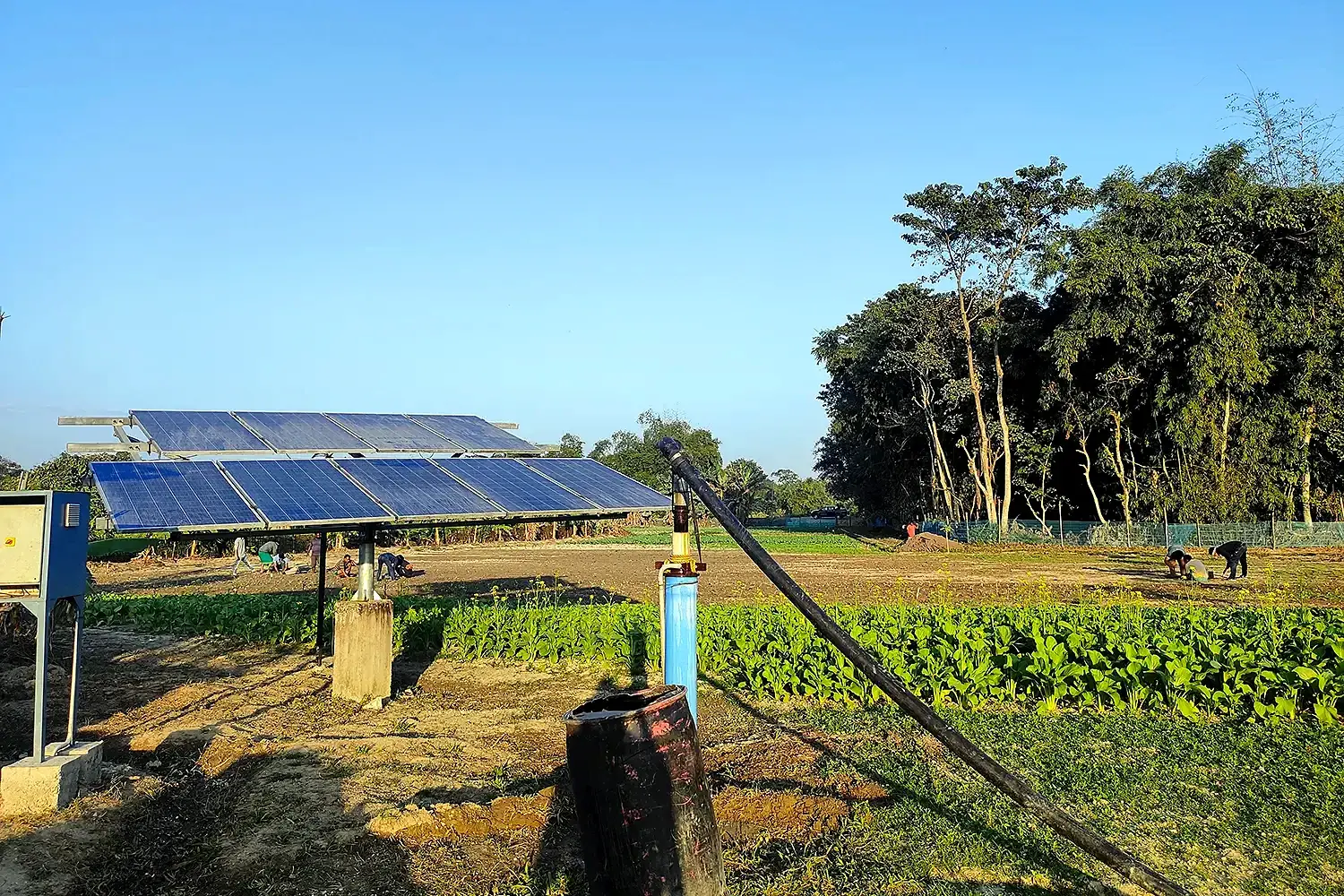
ICCo is dedicated to preserving the ecosystem by promoting sustainable practices such as solar pumps, clean cook stoves and chemical-free farming.
Carbon emissions and climate change are global conversations. We bring them home to rural communities, and over the next five years we will work with organisations that champion clean energy and environmentally friendly practices.
Supports the Global Goals
- 7Affordable & clean energy
- 13Climate action
Our approach
How we make it happen
- 01Clean energy enterprisesBusiness development, technical and market linkage support for socially commercial clean energy businesses.
- 02Clean cookingCapacity building, implementation and behaviour change for energy-efficient cooking, with clear awareness material.
- 03Access to clean energySupporting and implementing CSR and government programmes that bring energy from clean sources.
- 04Solar for producersSolar pumps and solar-powered processing that lower costs for farmers and producer companies.
- 05Less coal, less smokeEnvironmentally friendly alternatives that help end dependence on coal.
- 06Chemical-free farmingNatural farming practices that protect soil, water and health.
In the field
Solar power at a women’s turmeric company
At the turmeric producer company supported through our five-year programme with Azim Premji Foundation, solar-powered grinding machines now cut energy costs and make processing more efficient.
Programmes 2025-26
Where this work is happening
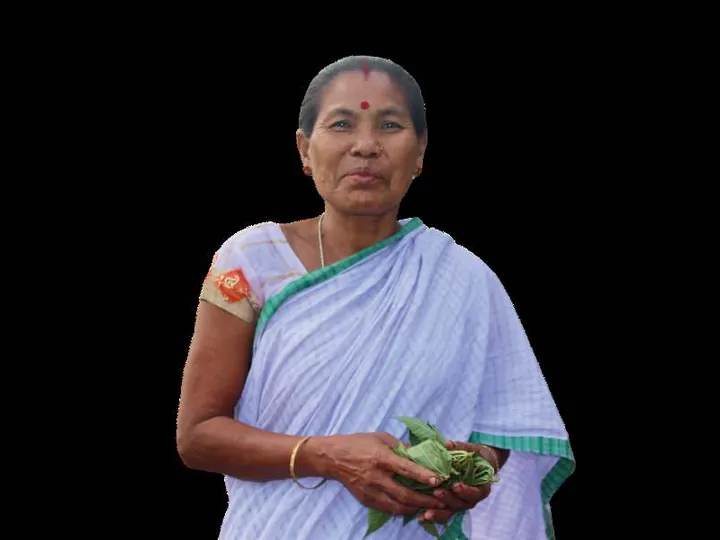 AssamRebuilding lives after COVID-19A five-year programme across turmeric, handloom and fishery, completed on 31 March 2026.With Azim Premji Foundation4,500 women · 25–40% more income
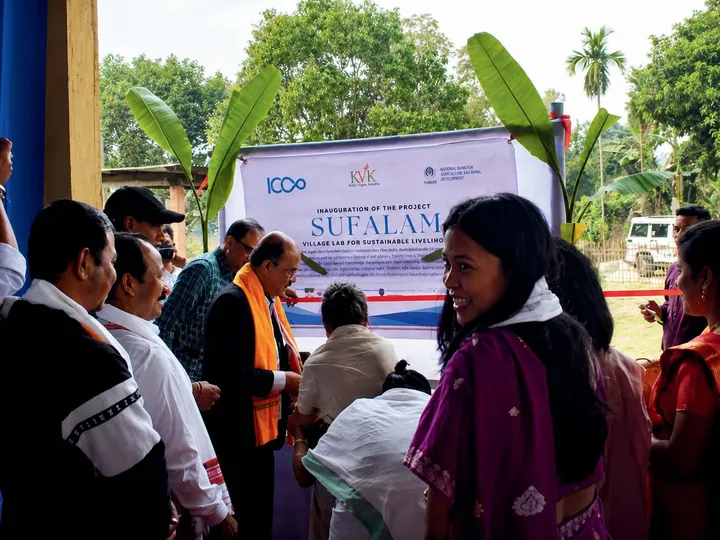 Assam · MorigaonSUFALAM: villages as living laboratoriesNatural farming, Eri silk, natural dyeing, handloom and village tourism, planned with the households themselves.With NABARD and KVK Morigaon288 households · 60% women
From the field